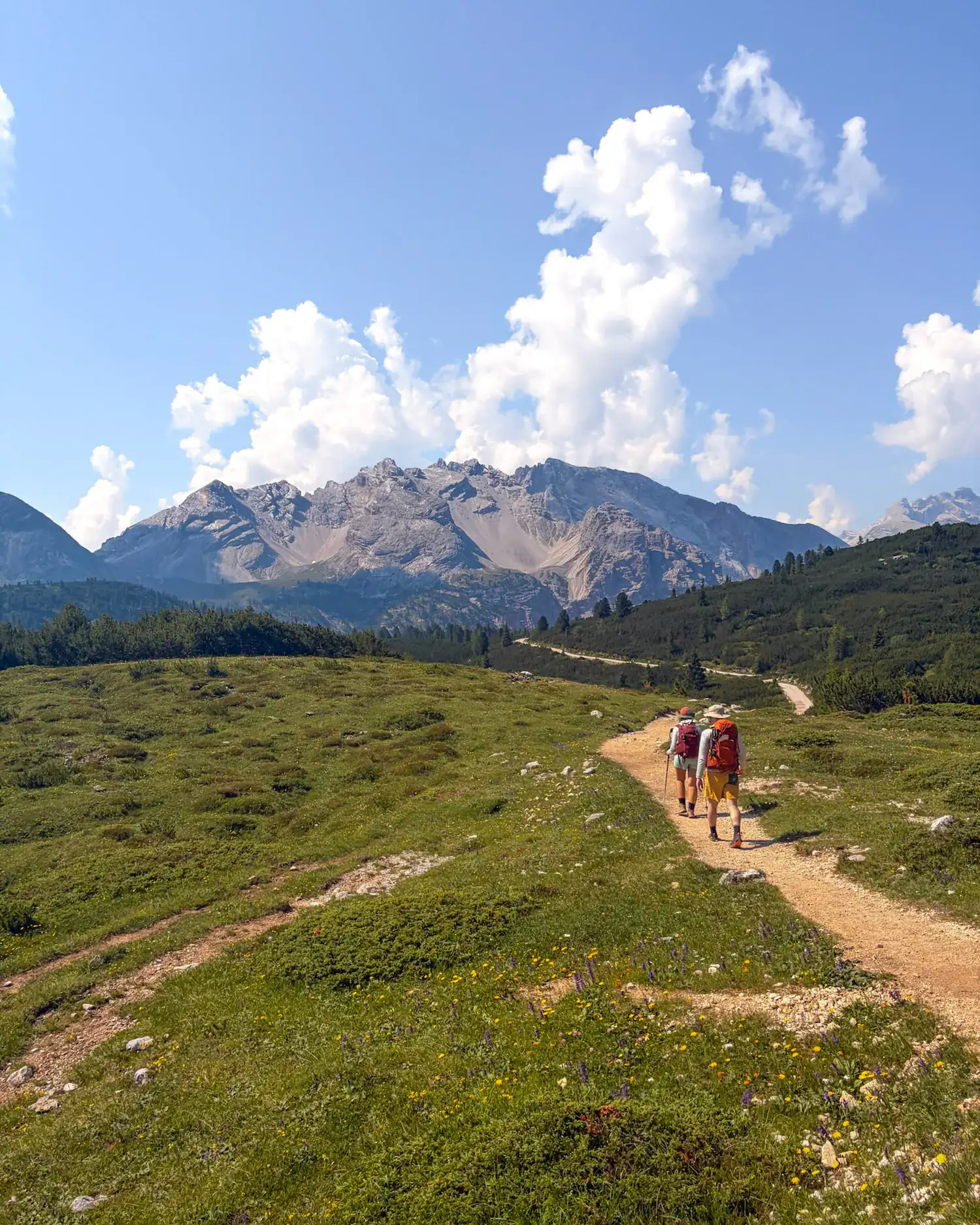
You’ve planned a trip of the lifetime to complete the Alta Via 1 in the Italian Dolomites. You’re dreaming of sunny days out on the mountains and warm nights in rifugios. But now you’re getting ready and you’re overwhelmed. You don’t know what to bring and what to leave behind. I’ve created this Alta Via 1 packing guide for you.
I’ve got you covered, I recently came back from our bucket list journey on the Alta Via 1. I feel like I truly perfected my packing… the only thing I didn’t use was my headlamp.
So, I’ve created this post to help you guide you while you plan for your trek. This post contains everything you need to bring, a quick packing list at the end, and tips to keep in mind while packing!
Disclaimer: There are affiliate links in this blog post. I may get a small commission at no extra charge to you. As always, I recommend gear, products, and places that I have personally used or trust. Thanks for your support!
Alta Via 1 Packing Tips
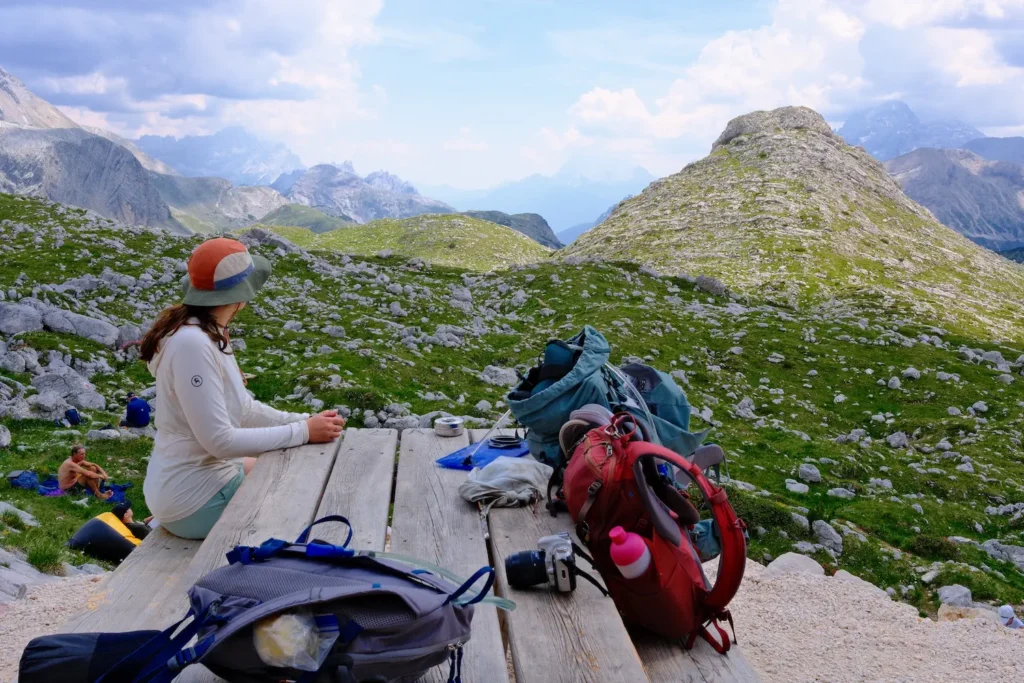
One of the best parts of doing the Alta Via 1 is that you’re staying in beds every night. So, you don’t need to have as much gear as you do when you’re camping.
Keep these tips in mind while you pack and plan:
- The lighter the better! Really think about what you need and leave behind excess things. Get a luggage scale to see what your pack weighs.
- The best gear is the gear that you already own. There’s no need to buy a bunch of fancy things when you don’t need it.
- Look at the rifugio websites, see what you need to bring and what you can leave behind. Then calculate how many euros you will want to have with you!
- Try out your gear before you go!– This trip is long and gear that doesn’t fit well can hurt. Go get fitted at REI and take your gear for a test trial.
- Look at REI Garage sale or Facebook Marketplace– If you need new gear, it can add up. So, look at resale sites for better prices!
- Pack extra socks– Your feet will thank you when you have another pair to change into!
- Bring sugar for the uphills– Add a little candy to your hip belts, so they can power you through the hard parts of the hike.
Alta Via 1 Packing List
Hiking Gear
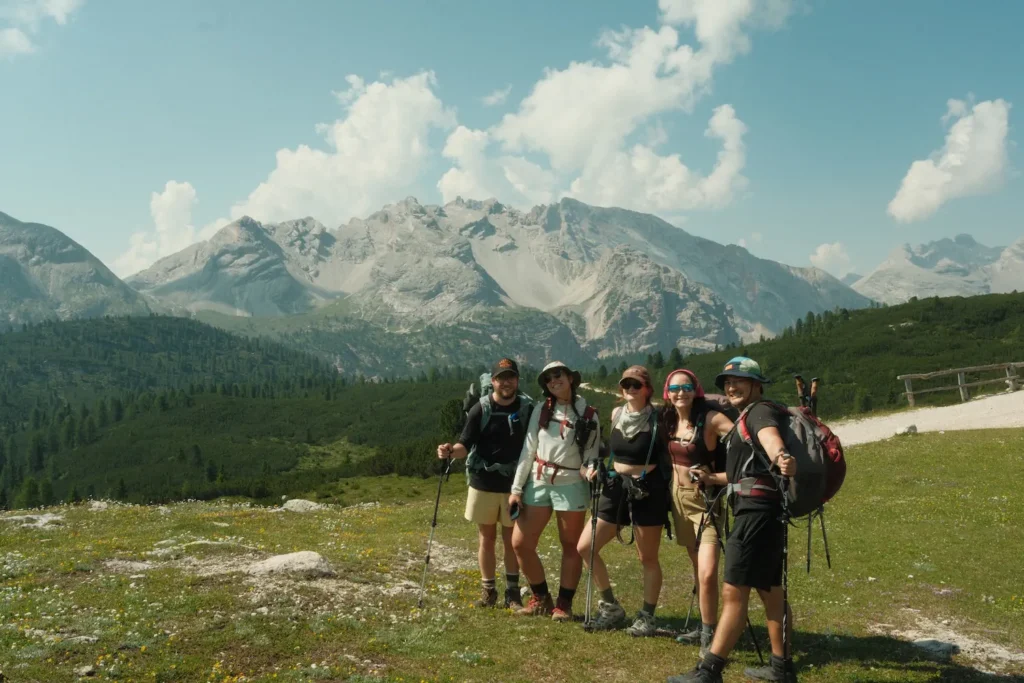
Let’s start with the essentials for the Alta Via 1. The hiking gear that you will definitely need before setting off on the trail.
If you skimp on everything else, it’s important to have quality gear for these items. That way you’re comfortable hiking for days in some challenging terrain.
25-40 Liter Backpack
Despite being out on the trail for 4-10 days, you don’t need as much gear as you typically would, because you get to stay in huts!
So, you can leave the tent, sleeping bag, and camping stove behind. That means, you don’t need to carry as large of a bag as you typically would on a backpacking trip. If you keep your gear tight enough, you can even bring a larger day pack.
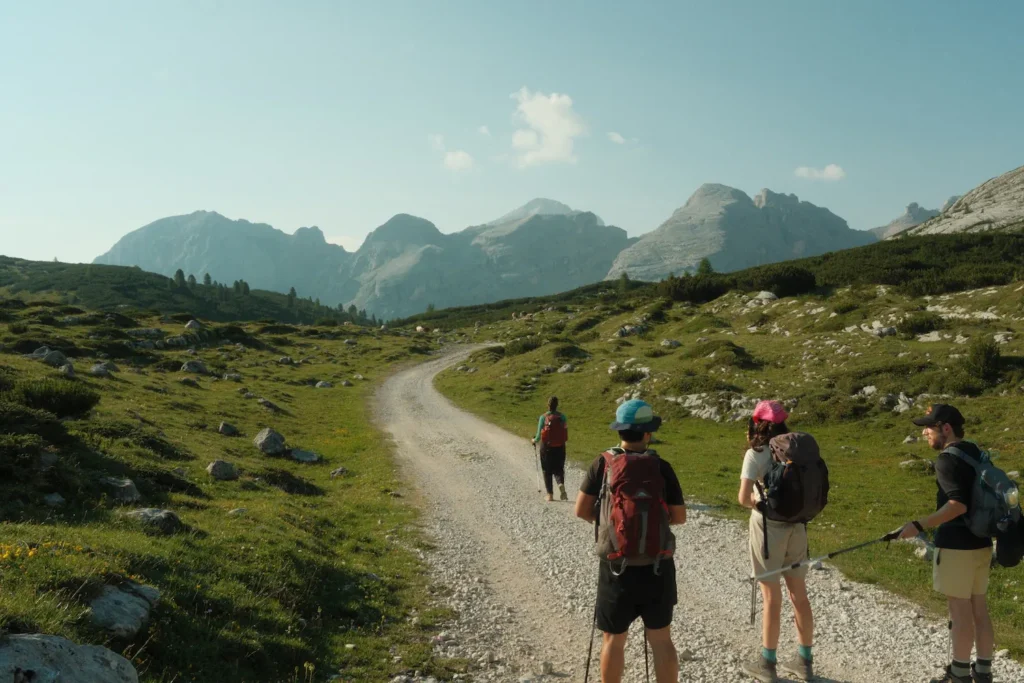
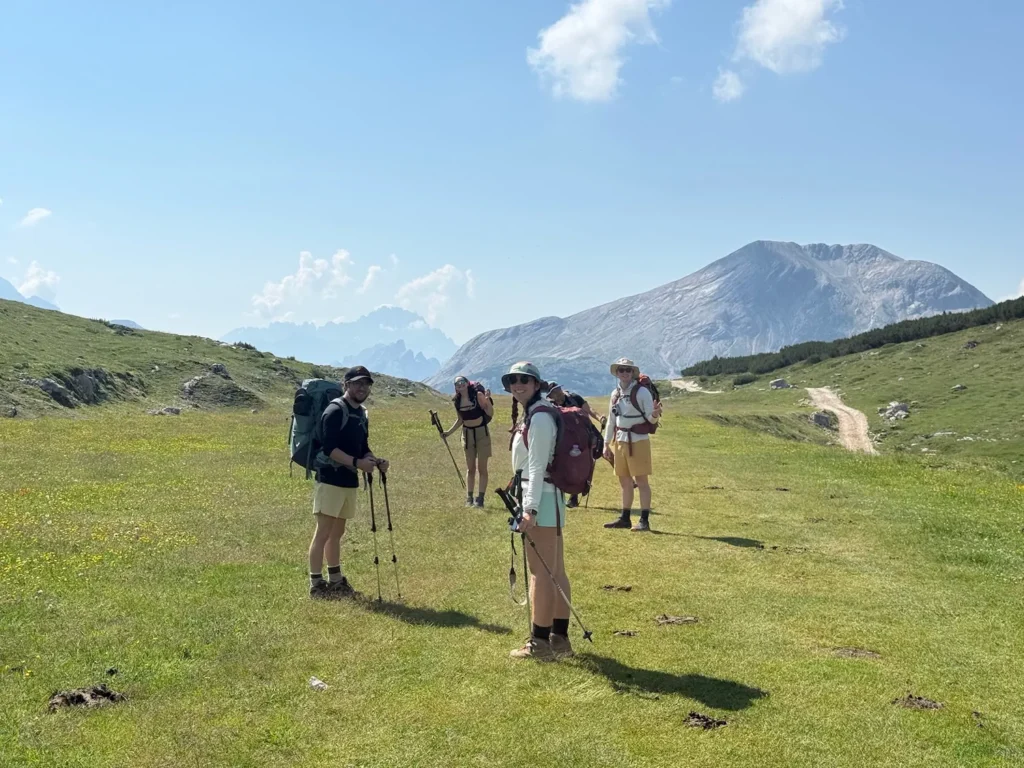
There were six of us on the trail and the largest bag any of us had was 40 liters. I even managed to carry a 25 liter pack (but my husband carried more of our stuff).
Trekking Poles
The Alta Via 1 consists of high mountain passes with challenging uphills and even steeper descents. This kind of terrain can be especially hard on your legs.
I really think that having trekking poles can make or break your hike. They take pressure off your legs and help keep the body more balanced. Your knees will thank you!
If you don’t already have them, there’s no need to invest in the most expensive pairs. A simple, cheaper pair will work. That being said, I’ve used my Black Diamond Z Poles for YEARS and I love them.
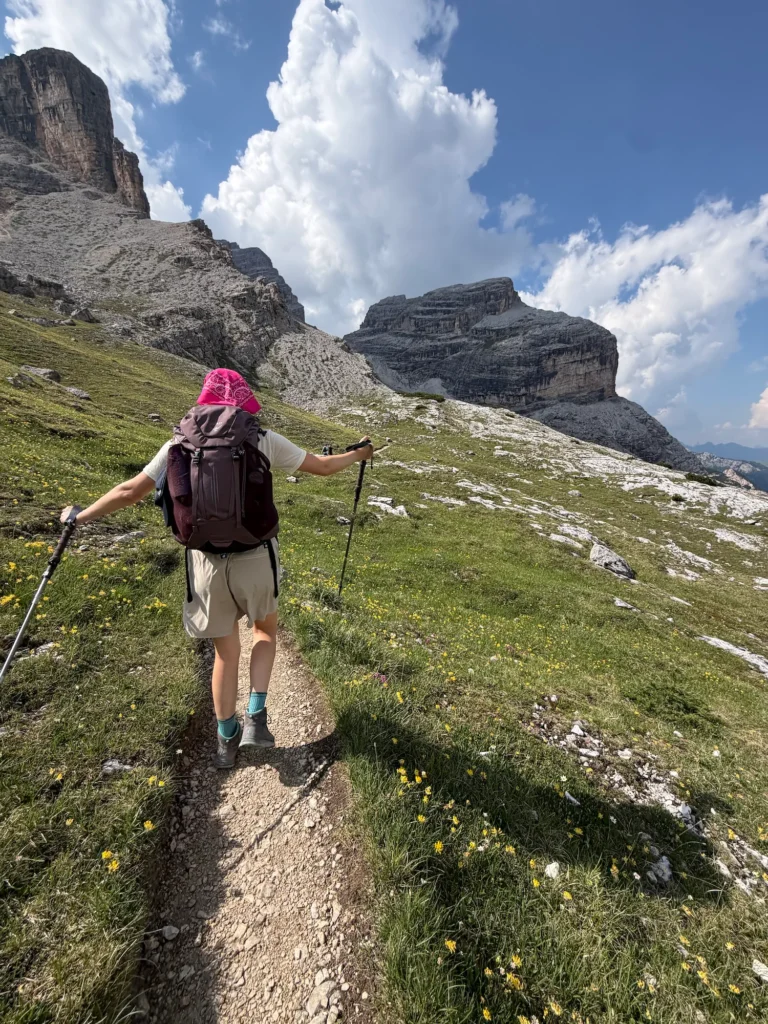
hiking boots
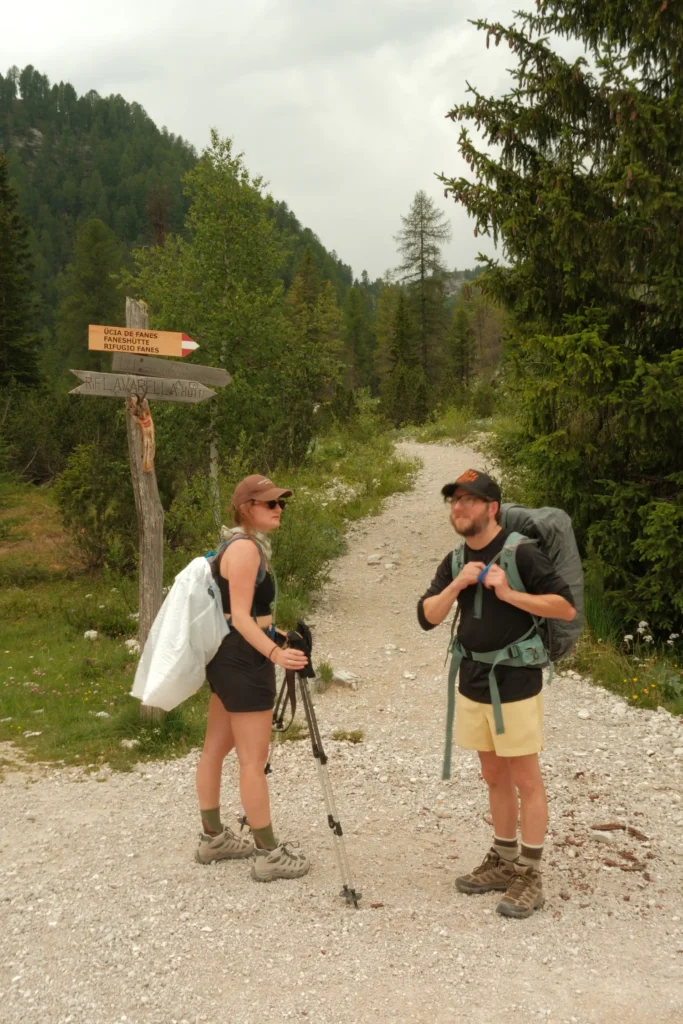
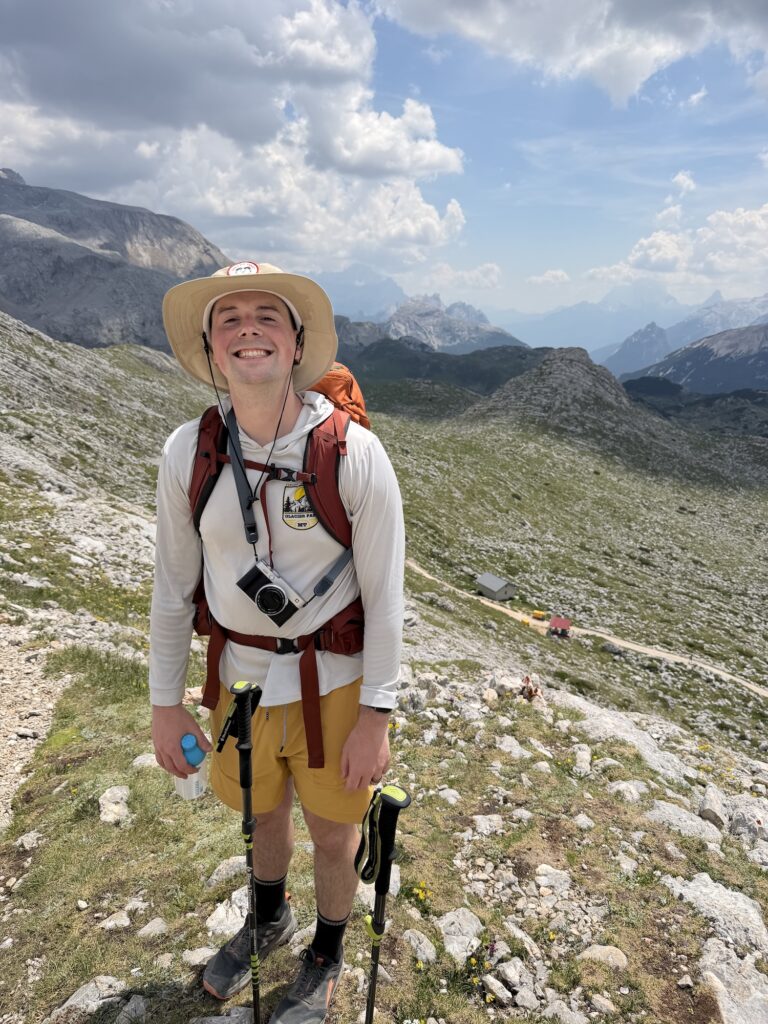
Wearing sturdy shoes is key to having a good time on the Alta Via 1. Some people (like myself) prefer hiking boots, while others (like my husband) prefer trail runners.
Whatever you choose, make sure that you’ve worn them before and broken them in. Otherwise, you may end up having painful blisters out on the trail. I’ve gone through a number of boots through the years, but right now I really like the Danner Mountain 600 for my wider feet.
Pack Rain Cover
The Dolomites are well known for their quick storms that pass through the mountains. One day when we were out on the trail, we had to shelter from a HUGE hail storm for over 90 minutes. So, a rain cover for your pack is essential to keep things dry!
Luckily, many backpacks come with their own rain covers, but if yours doesn’t you should invest in one before you head out on your trip.
inner pack liner or garbage bag
Even with an outer rain cover, sometimes water can seep into your bag. So, make sure you cover the inner contents of the bag as well.
💡 Tip: The best gear is stuff that you already own. Simply use a garbage bag to line your pack, it works great!
Rifugio Necessities
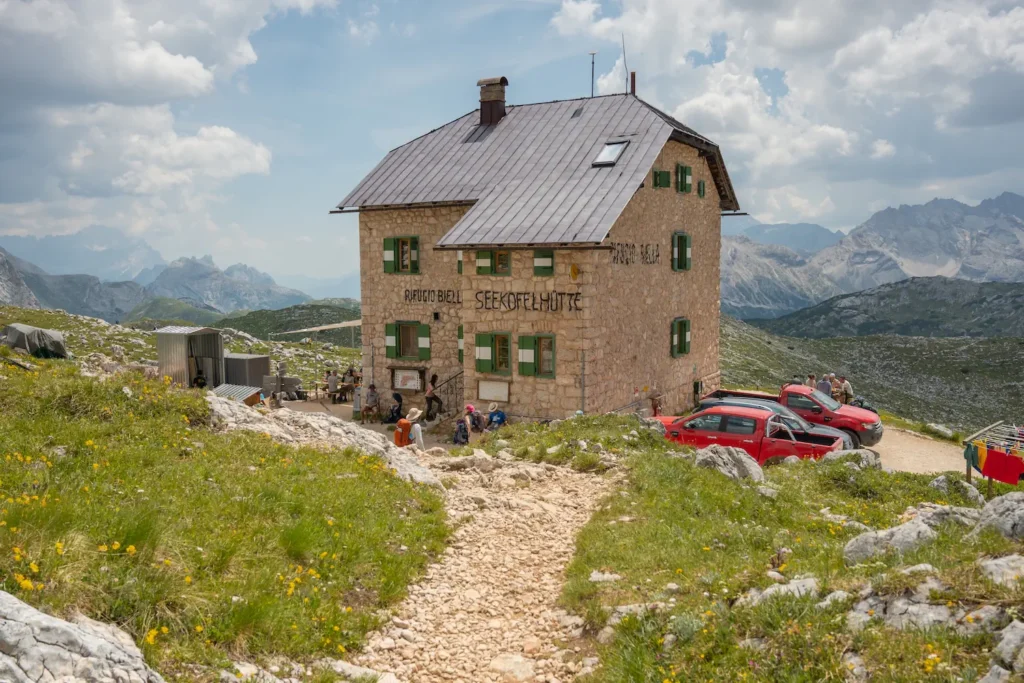
Even though you aren’t camping, there are a few extra items you’ll need for the rifugios. These items will keep you comfortable and well slept during your stay.
Sleeping bag Liner
Now that I’ve used a sleeping bag liner, I’m never going back. I got the liner originally, because most rifugios require them or a sleeping bag. They keep their sheets cleaner and keep the stink off.
I suggest you leave the sleeping bag behind, because they’re heavy and take up lots of room.
That being said, investing in a good liner can come in handy for later. You can use them when backpacking to keep your sleeping bag cleaner or for traveling as an extra layer of comfort.
They usually come in two shapes: mummy and rectangular. Mummy is more fitted so provides more insulation, while a rectangle one gives you more room to move around.
There are a variety of fabrics for sleeping bag liners including:
- Silk – These are the most expensive, but it feels sooo good. I got a silk one and I love it. It’s the most lightweight and it can keep you warm or cool. If you are going to use one a lot, I’d invest in silk.
- Cotton- A more budget friendly option. That being said, while cotton is warm it is also heavier and if it gets wet, it stays wet. So, make sure you keep these in dry areas!
- Synthetic blends- There’s a huge variety of synthetic liners. Some are good for insulation and others have insect repellant materials. So, you can find the perfect one for you.
Slippers/rifugio shoes
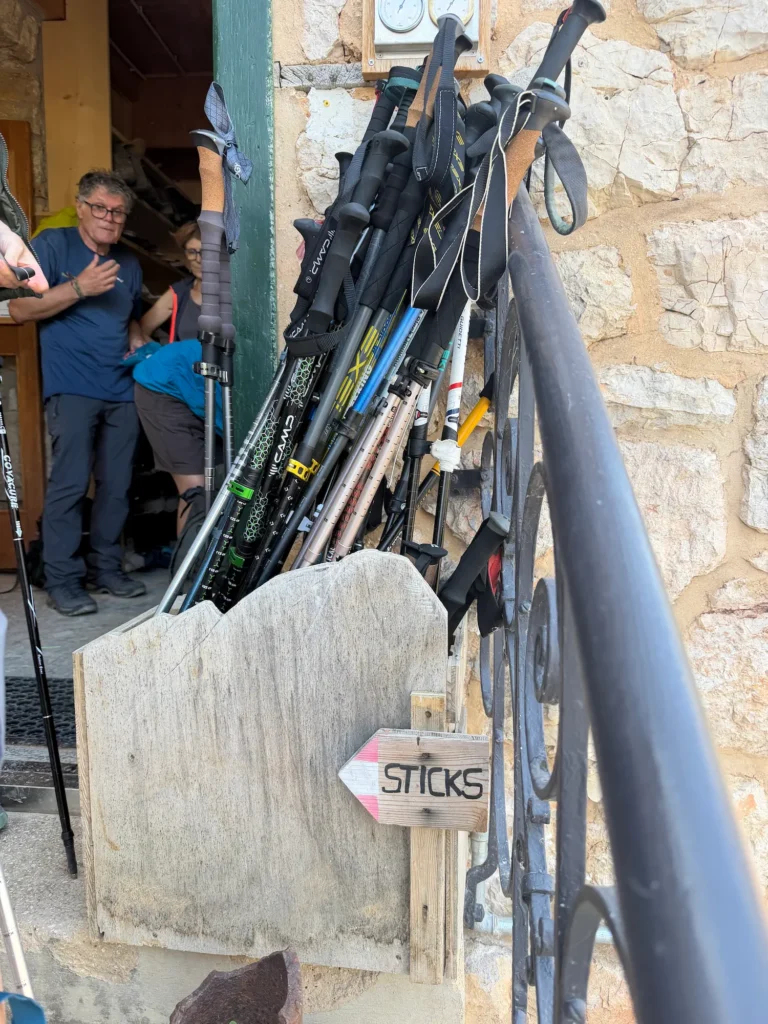
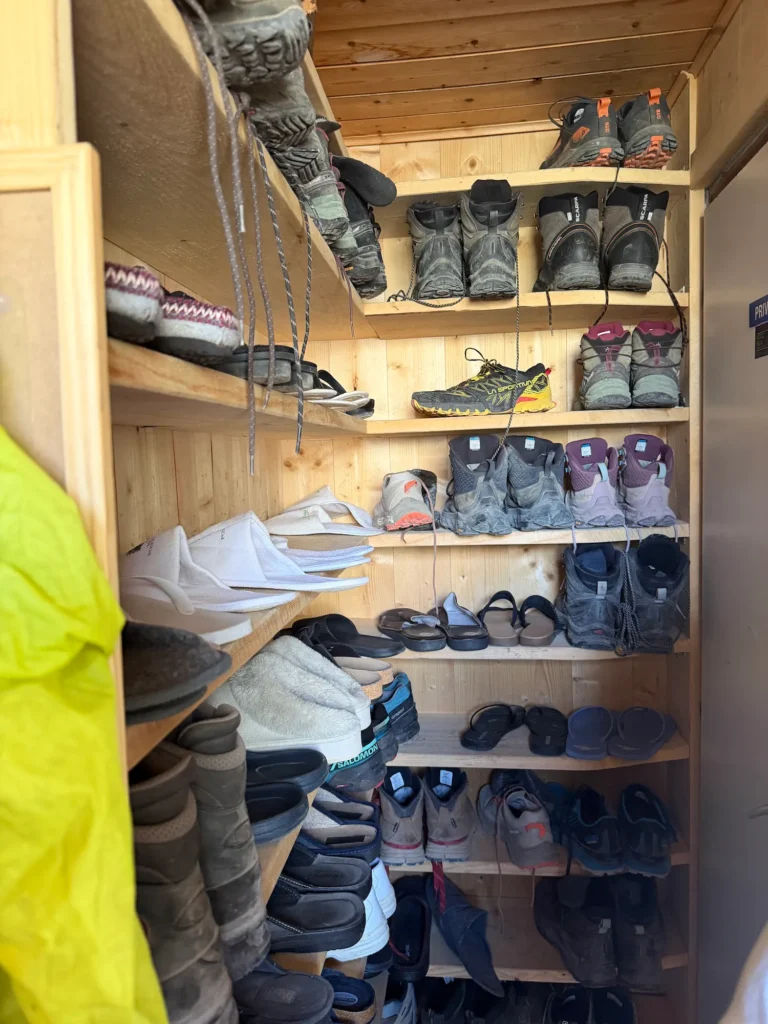
In most rifugios, they require that you take off your hiking boots before entering. There’s typically an entire boot storage room that truly stinks.
So, you will need to bring a pair of indoor shoes or slippers to wear inside. People truly bring a variety of things including flip flops and actual hotel slippers. I brought plastic birkenstocks, so that I could wear them inside and use them as shower shoes if needed.
If you do bring slippers, you may need a pair of flip flops for the showers too.
Ear plugs &eye mask
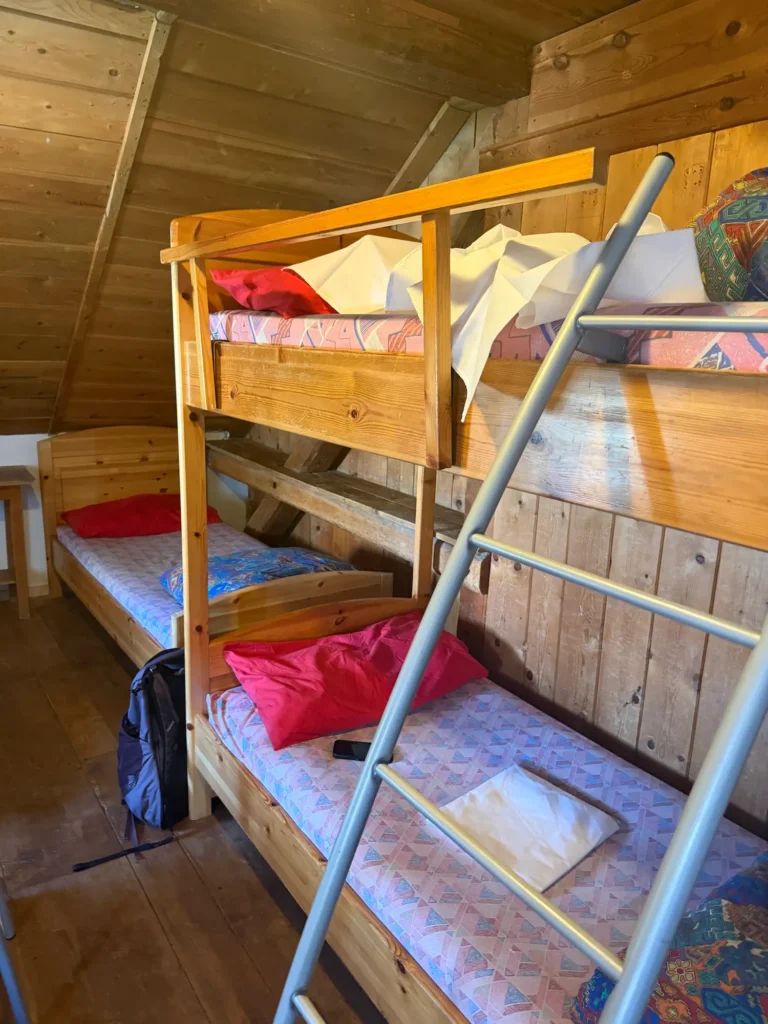
Many of the rooms in the rifugios are shared rooms with bunk beds. So, during the night you can hear people snoring, moving around, or walking to the bathroom.
I am a super light sleeper, so ear plugs and an eye mask were a necessity. I got great sleep with them in!
Quick Dry Towel
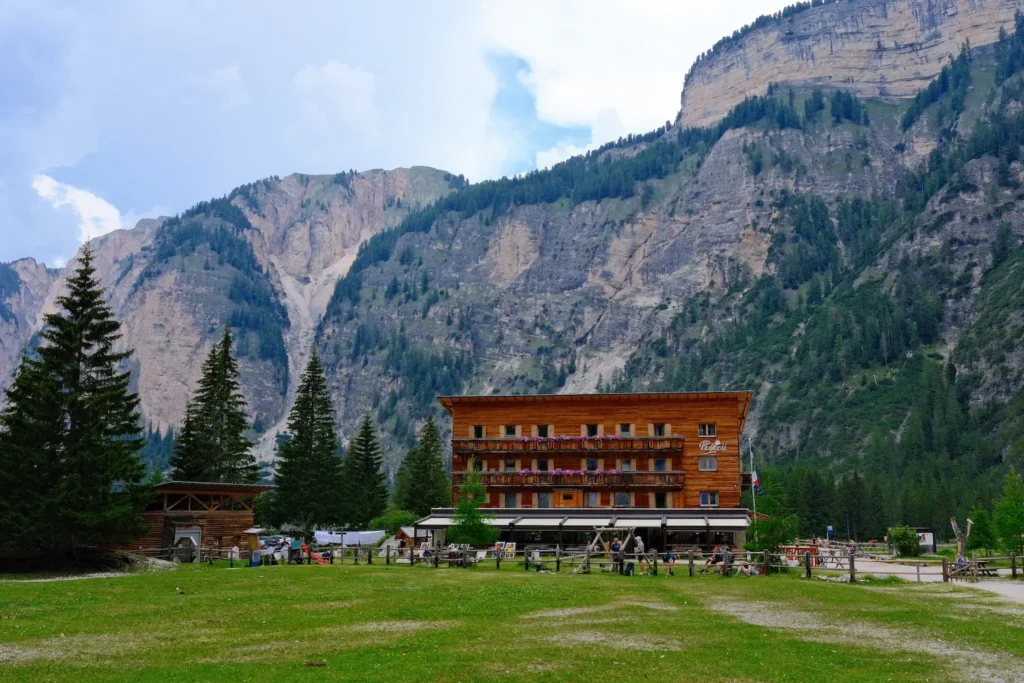
While only some rifugios offer showers, most of them don’t give you towels. So, bring your own towel to use during your stay.
A quick dry towel is perfect, because you can air it out overnight and then slip it back in your bag. I personally have a few different quick dry towels, but the Nomadix has been my favorite one lately.
Cash
Because the rifugios are up in the mountains with little service, some of them only accept cash.
Many of them also require that you pay a deposit when you book them and then you have to pay the rest upon arrival. So, it’s important to have cash for your trek.
It’s hard to know how much to bring, but each of us brought about 50-70 Euros a day and we ended up having a little extra at the end.
Apparel
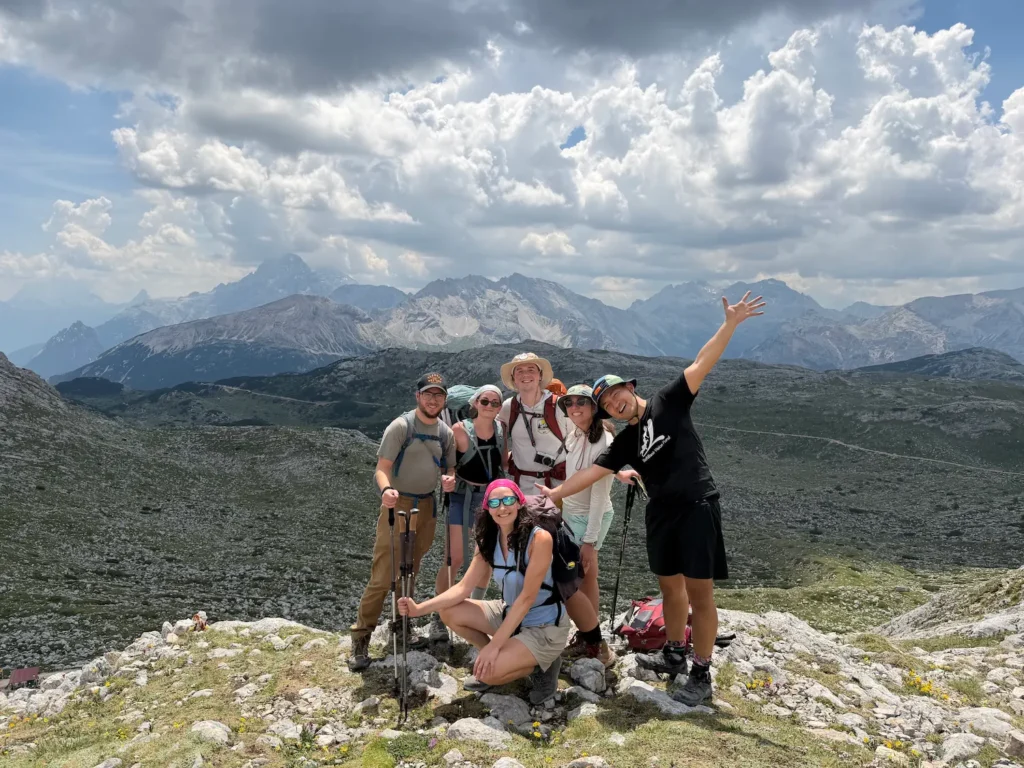
Choosing what to wear and what to bring can be overwhelming. Some people can hike in the same outfit for 10 days… but I’m not one of them.
I like to bring at least one extra outfit to switch between, so I feel a bit cleaner while I go. Then, I brought one lounging/sleeping outfit. Below I’ll go through everything you need for your hiking fits.
Base Layer
A base layer top should be something that quick drying, breathable, and warm if you need it.
🚫 Do not wear cotton. It takes a very long time to dry and the smells will stick to it as well. If you want a natural fiber, try merino wool instead.
Because we did the Alta Via 1 in the summer, I wore two different sun hoodies. But, I wish I had brought a short sleeve base layer as well.
Hiking shorts/pants
There are so many great options for hiking pants and shorts! What you choose depends on your preference.
I know some people that only hike in shorts and others who like long pants. I have so many different kinds of hiking pants. The biggest thing is that you want something breathable and that dries quickly. You may want to test them out before you head to Italy.
rain jacket
Like I said previously, the weather can change without much warning in the Dolomites. Do not forget to pack your favorite rain jacket to keep you dry!
outer layer jacket
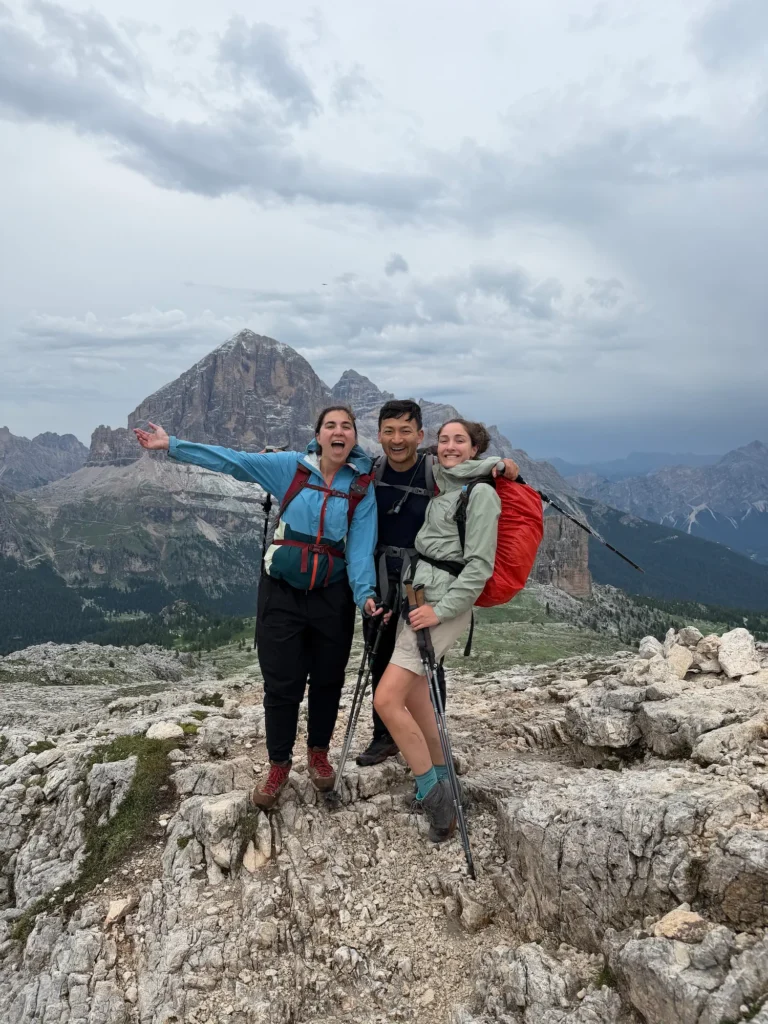
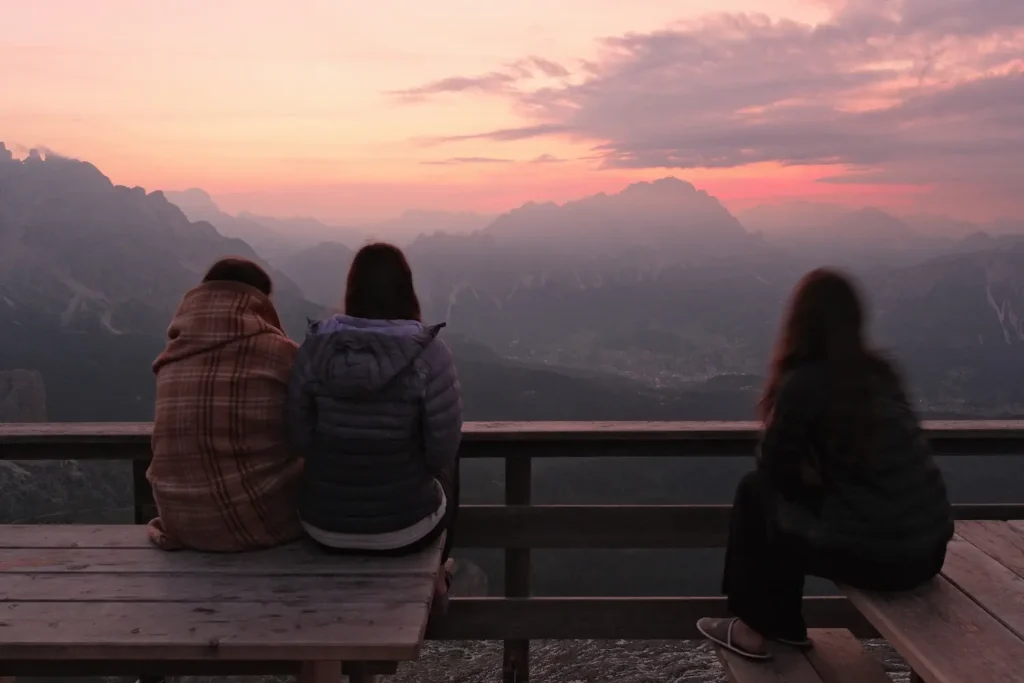
Because the Dolomites are a very mountainous region, the mornings and nights can often cool significantly. You may be cold when you wake up, but then mid-day you find yourself sweating.
Bring a lightweight jacket to wear that will keep you warm and easily packs down. I like the Patagonia Nanopuff or the Magma 850 Down Jacket and I switch between the two constantly.
Merino wool socks
Nothing will keep your feet cozier and blister free, then a good pair of hiking socks. Merino wool is the best hiking sock material because it is breathable and quick drying.
There are a few different hiking sock brands that I trust, but most of mine are REI or Darn Tough.
Sun hat
The sun is really strong out on the Alta Via 1. Keep it off your face by wearing a baseball cap or a sun hat. I use these interchangeably, but they really save my face from too much sun damage.
Bathing suit
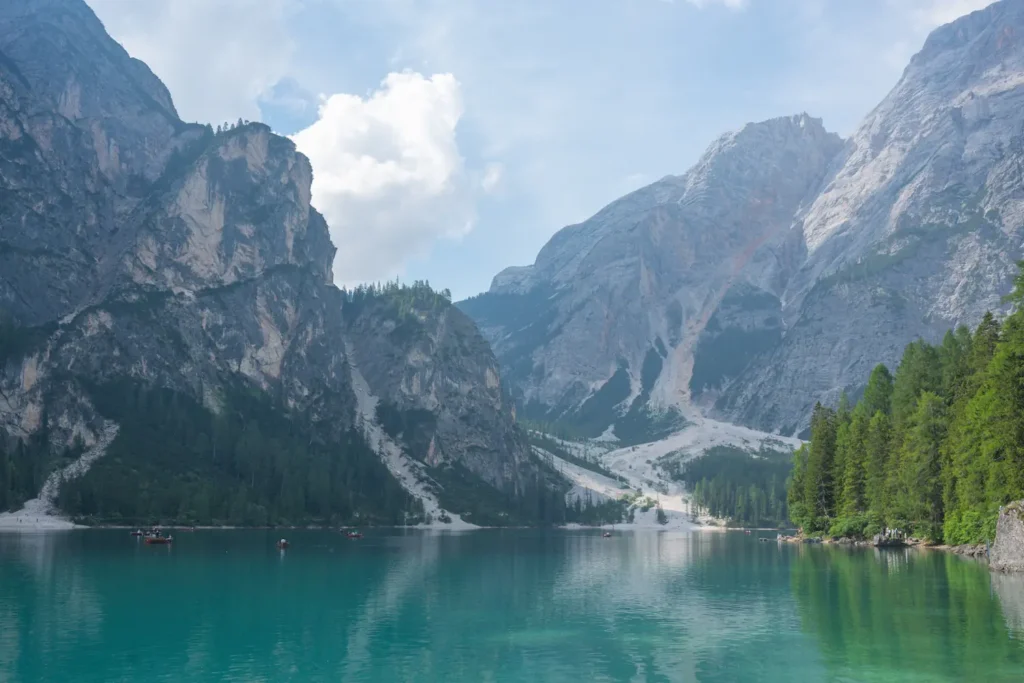
A bathing suit is optional, but there are a few swimming holes & lakes along the way. It’s a small thing to add and will allow you to keep your clothes dry if you go for a dip.
underwear
I think this one might be a give in, but bring as much underwear and bras as you need. I like to bring extra underwear, because you simply never know (I feel like most girls get this).
pajamas/loungewear
As soon as we got to the rifugio each day, I took off my gross hiking clothes and changed into my comfortable lounge clothes. I brought a pair of joggers that were lightweight and a big t shirt. So, I could lounge and sleep in them.
extra socks!
There’s no better feeling then slipping on a pair of clean socks after a long day of hiking. I like to keep one pair around that I can use to lounge in and switch between.
Food & Water
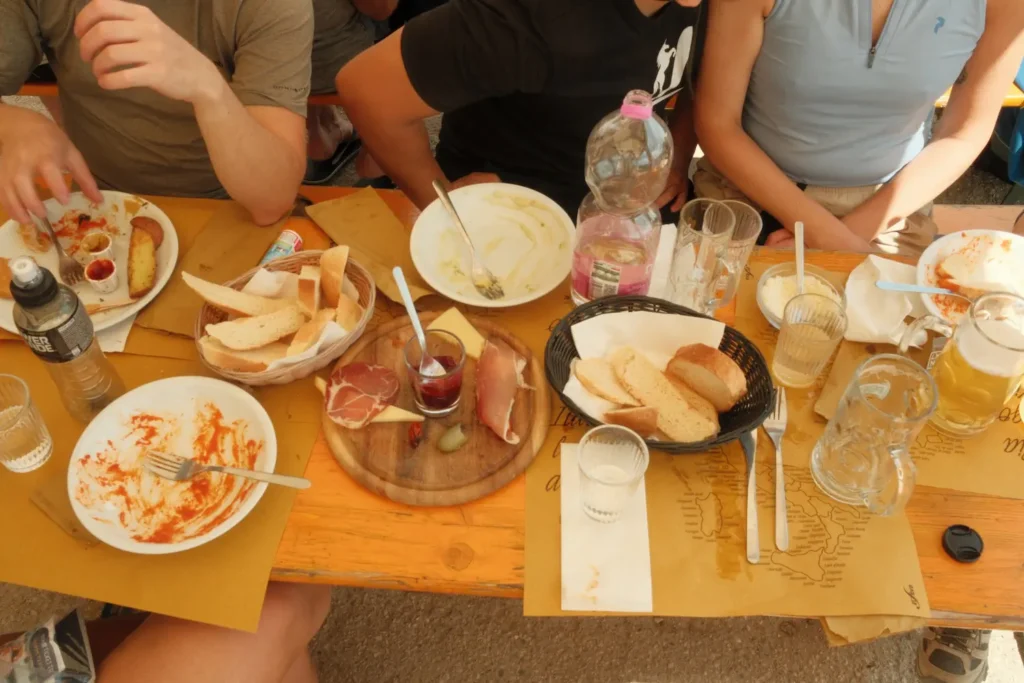
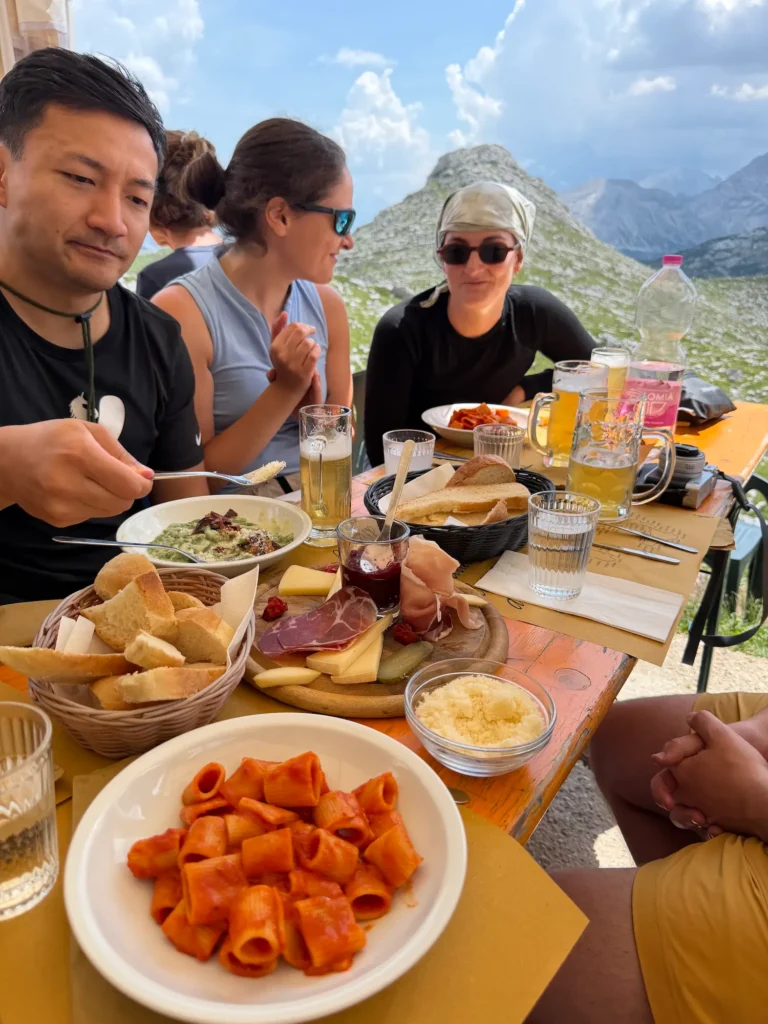
The best part of hut to hut hiking is that you do not have to carry all your food!
Most rifugios are half board, so they provide dinner and breakfast. Plus, you can pay for a picnic lunch to take with you as well.
But, my favorite part was stopping at the various rifugios along the way for a small coffee break or a nicer sit down lunch. I was so happy to carry less food on me, but there were still a few things that you will want on the trail to keep you fueled.
water storage
Staying hydrated is so important for completing the Alta Via 1. I would plan to have 1.5 liters to 2 liters on you when you start your trek each day.
However, everyone has their own preference for how they carry their water. Some people prefer water reservoirs for ease of drinking, while others like water bottles because they can see how much they have left.
Try and test out your personal water storage system before you take on the Alta Via 1 to see which you prefer.
water filter
Now, most of the time you can fill up your water bottle at rifugios or in springs along the way. But, you never want to get stuck without drinkable water.
So, I would recommend bringing a water filter of some sort, just in case of emergency. I brought one and didn’t end up using it, but it gave me peace of mind!
Electrolytes
Electrolytes will help keep you hydrated out on the trails. Every single one of my friends brought some with us, but we all had different ones. There are so many options from powders to tablets. My husband prefers Liquid IV, while personally I like the regular Gatorade powder.
protein bars/carbs
There are times where you’re out on the trail and you just need to eat something to keep you going. Bringing some sort of carb is the best way to fuel yourself and give you energy.
I usually have an assortment of protein bars, Honey Stinger waffles, and salty treats like Goldfish.
sweets or energy chews
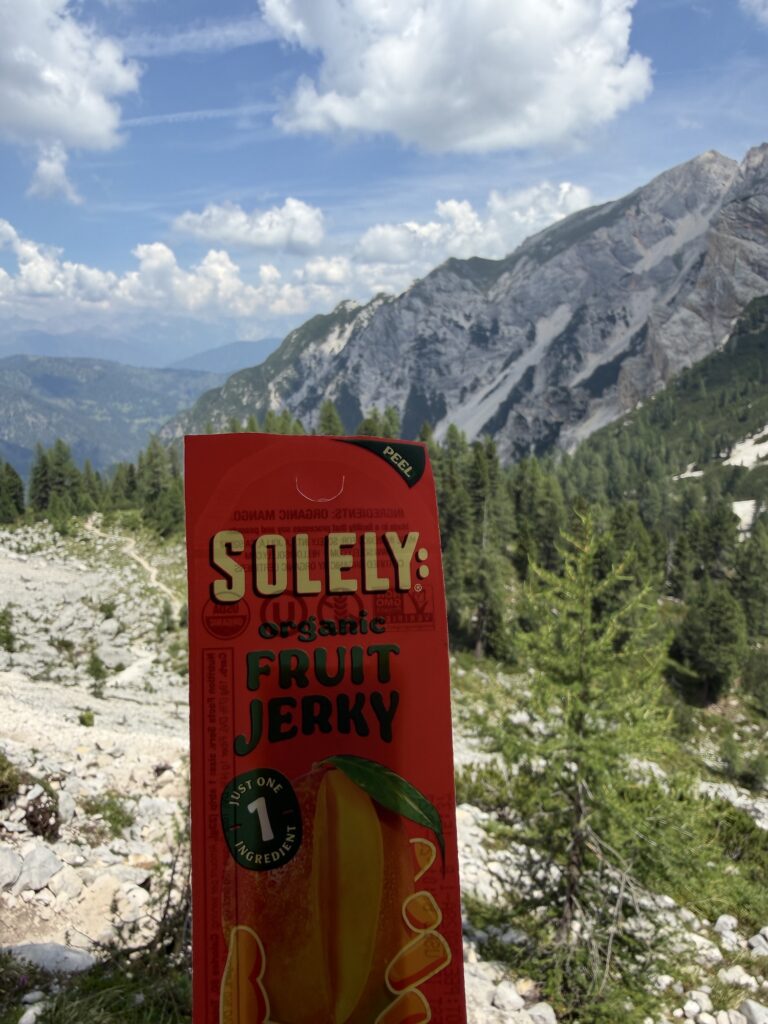
Having a little bit of sugar will also help you get up the mountains. I tell everyone to put little sweets in your hip straps, so that you can just plop one in your mouth as you climb.
Sometimes I bring candy like Sour Patch Kids, but lately I’ve been obsessed with Soley Fruit Jerky. It tastes so good and has the perfect amount of sweetness.
Electronics
Although you may want to be off grid for this trip, there are a few electronics that will help your journey.
satellite phone
Even though the Alta Via 1 is super accessible and can be close to roads, you never know when an emergency will strike. I am very risk averse, so I ALWAYS have my satellite phone on me while on the trails.
portable charger
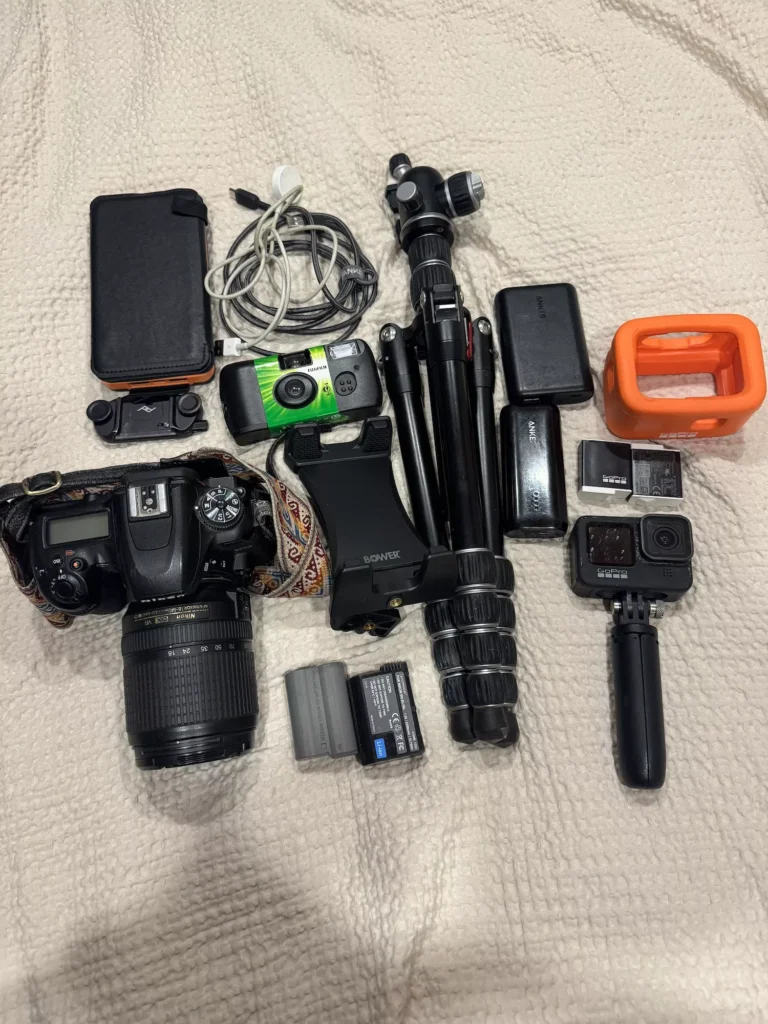
I always bring a portable charger when I travel. Even though they have places for you to plug in your things at the huts, there are times where you may need just a little extra juice. I’m guilty of using my phone until it’s almost dead, so this has saved me.
electronic adapter
If you’re coming from the US or outside of Europe, you will want electronic adapters. Most of the huts have charging stations where you can plug in your devices.
But, they all run using type C plugs. So, get a universal adapter or the small type C ones to bring with you.
headlamp
I’m not going to lie, I didn’t end up using my headlamp. However, if you ever want to start on the trails super early, do a sunrise excursions, or end up getting to a rifugio late, a headlamp will help.
camera & extra batteries
A lot of people these days just use their phones for photos. But, I like using cameras. I actually brought two cameras on this trip and had my husband carry one. I had my Nikon Z6 and my Fujifilm X-E5, which I’m obsessed with.
When I go hiking on longer trips, I like to bring extra batteries so that I don’t worry about having enough charge.
Toiletries
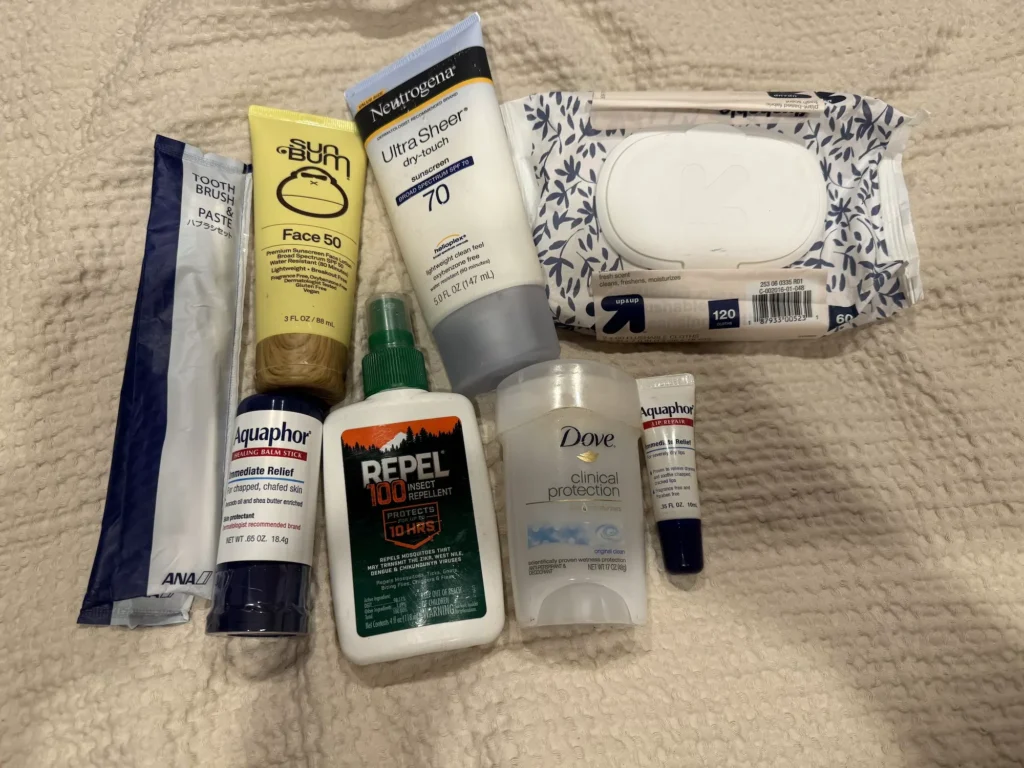
While, this part may seem obvious, I’ll run through the toiletries that you definitely want to have on you as you hike!
sunscreen
The sun is incredibly strong up in the Dolomites, so it’s important to wear plenty of sunscreen. Make sure that you get sunscreen that will last and don’t forget to reapply.
No one wants to be hiking with a horrible burn.
First Aid Kit
We got this little first aid kit years ago and we still use it! That being said, we make sure to replenish it with everything that we need.
You should always have band-aids, gauze, pain medicine, blister band-aids, and Neosporin. Don’t forget any regular medicines or vitamins that you take as well.
deodorant
I think this one is pretty self-explanatory.
Chapstick with spf
I’m not sure what changed, but in the last year or so, if I don’t go outside with SPF on my lips they get burnt. Burnt lips feel like badly chapped lips.
We should all protect our lips and wear chapstick with SPF.
Travel toothbrush & Paste
It’s easiest to bring a small toothbrush and toothpaste so that you don’t take up too much room in your bags.
shampoo & body soap
I actually used bar shampoo for the first time on this trip and it exceeded my expectations! My hair got nice and lathery and smelled very clean. Whatever you bring, just make sure it doesn’t take up too much room.
Tampons or Pads
Girls, I know we’ve all been there before. Your period starts and you don’t have the proper supplies. Well.. that happened to me out on the Alta Via 1.
I got lucky and the women working at the various rifugios supplied me, but you do not want it to happen to you.
Things You Can Leave Behind:
I know that there were some items I was confused about. How many pairs of shoes should I bring? Did I need to bring a backpacking bag?
Here are the things you won’t need:
- Camp Stove
- Freeze Dried Meals
- Bear Spray/Bear Cannister
- Tent
- Sleeping Bag
- Pillow
- A Large Backpacking Pack
Complete Packing List for the Alta Via 1
- Hiking Gear:
- 35 Liter Day Pack
- Trekking Poles
- Hiking Boots
- Rain Cover
- Pack Liner/Garbage Bag
- Rifugio Necessities:
- Apparel:
- Base Layer/Sun Hoodie
- Hiking pants or shorts
- Rain Jacket
- Outer Layer Jacket
- Merino Wool Socks
- Sun Hat
- Bathing Suit
- PJs/Loungewear
- Underwear
- Extra Socks
- Food & Water:
- Electronics:
- Satellite Phone
- Portable Charger
- Adapter
- Headlamp
- Camera & Batteries
- Chargers for Phone & Other Electronics
- Toiletries:
- Sunscreen
- First Aid Kit
- Chapstick with SPF
- Deodorant
- Body Wipes
- Toothbrush & toothpaste
- Shampoo & soap
- Tampons & Pads
Final Tips for Packing for the Alta Via 1
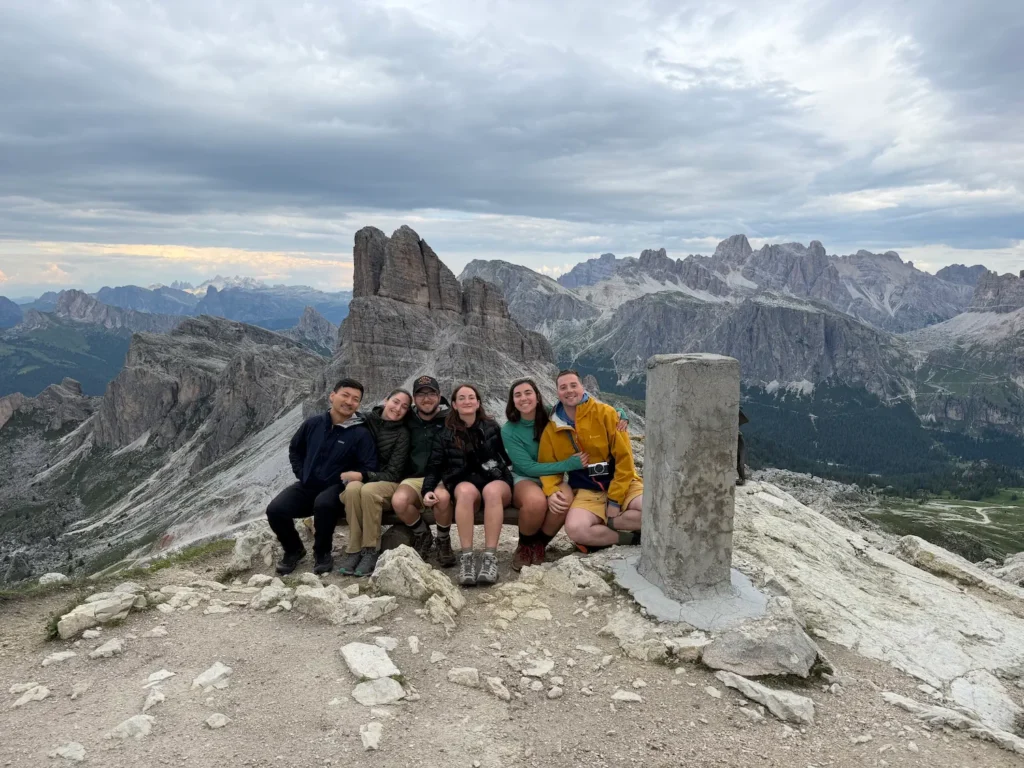
My mantra for completing the Alta Via 1 is that less is more.
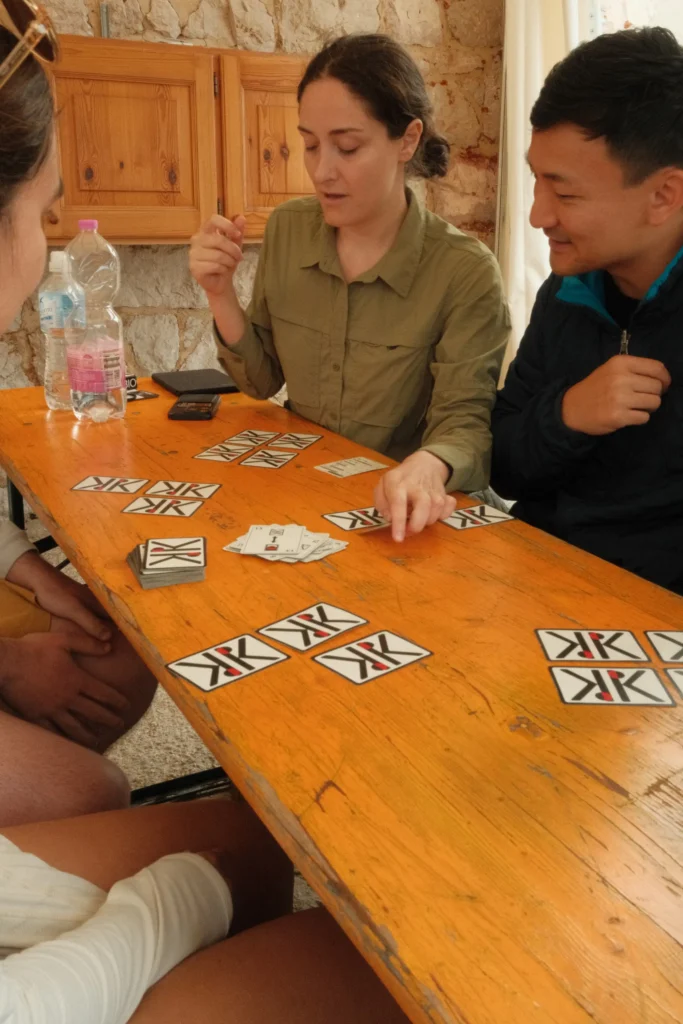
Try to keep your bag as light as you can and remember that you can always use what you already own. Bring the necessities, a pack of cards, or a book, and leave the rest behind.
That way you don’t have a backpack that’s weighing you down and making the trail more challenging than it already is. This is truly the trip of a lifetime and I hope you enjoy!
Let me know in the comments if you have any questions!
📍 Pin Ultimate Packing Guide for the Alta Via 1 in the Dolomites to Pinterest